Private Jet Charter for Remote Destinations: Go Beyond Commercial Airline Routes
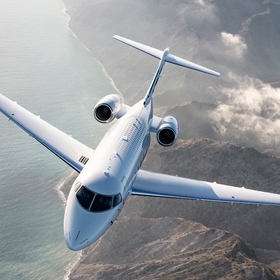
Some of the world’s most desirable destinations are difficult to reach by commercial airline.
Remote islands, mountain resorts, private estates, safari regions, coastal retreats, industrial sites, secluded villas, and small regional cities are often located far from major airline hubs. Reaching them commercially may involve multiple connections, long ground transfers, limited schedules, or overnight stays.
A Private Jet Charter changes the way these destinations can be reached.
Instead of planning an entire journey around the routes offered by commercial airlines, private aviation allows travelers to build the flight around the destination itself. Depending on aircraft capability, airport infrastructure, runway requirements, local regulations, weather, and other operational factors, private aircraft can often access regional and executive airports that scheduled airlines do not serve.
This can dramatically reduce total journey time.
More importantly, it gives travelers the freedom to go beyond traditional airline networks and reach destinations that would otherwise require complicated logistics.
For business leaders, luxury travelers, families, yacht guests, production teams, and groups with specialized itineraries, private aviation turns difficult-to-reach places into practical travel options.
Why Commercial Airlines Cannot Serve Every Destination
Commercial airlines are designed around scale.
Large passenger aircraft require airports with appropriate runway length, passenger infrastructure, ground handling, security systems, and sufficient demand to justify scheduled service.
As a result, airline networks naturally concentrate around major cities and regional hubs.
This works well for destinations such as London, New York, Paris, Dubai, Singapore, and Los Angeles.
But the system becomes less convenient when the final destination is several hours away from the nearest major airport.
A traveler may fly to a large hub and then continue by train, car, ferry, or another connecting flight.
For a remote luxury resort or business site, the ground transfer can sometimes take almost as long as the flight itself.
Private Aviation offers another possibility.
By using smaller airports that are closer to the final destination, private charter can reduce unnecessary connections and help travelers complete the journey more efficiently.
Private Jets Can Use a Wider Network of Airports
One of the most important advantages of private aviation is airport access.
Private aircraft can often operate from regional airports, executive airports, and smaller aviation facilities that do not handle scheduled airline traffic.
This opens up a much larger network of possible departure and arrival points.
The airport that makes the most sense for a private flight may not be the airport most travelers recognize.
It may be a smaller facility located closer to a ski resort, business park, marina, private estate, or vacation property.
This flexibility can reduce ground transportation and make an otherwise complicated journey much more direct.
For a deeper explanation of why private aircraft can operate from airports that large commercial aircraft cannot, see How Private Jets Reach Airports Commercial Airlines Can’t.
Remote Travel Is About Total Journey Time
When travelers compare private and commercial aviation, they often focus only on flight duration.
But the real comparison should be door-to-door travel time.
Consider a journey to a destination that has no convenient scheduled airline service.
A commercial itinerary might require:
A drive to a major airport.
A long check-in and security process.
A scheduled flight.
A connecting flight.
Baggage collection.
Another ground transfer.
Private aviation can sometimes simplify that sequence into a more direct journey.
Passengers may depart from a smaller airport closer to where they started, fly to another suitable airport closer to the destination, and then complete a much shorter ground transfer.
The airborne time may be similar, but the overall journey can be dramatically more efficient.
Access to Remote Luxury Resorts
Many of the world’s most exclusive resorts are deliberately located away from major population centers.
That privacy is part of their appeal.
But it also creates transportation challenges.
A luxury resort in the mountains, on a secluded coastline, or near a remote island may require hours of additional travel after the nearest scheduled airline flight.
A luxury private jet charter allows the itinerary to be planned around the closest suitable airport rather than the closest major airline hub.
From there, travelers can continue by chauffeured vehicle, helicopter, boat, or another appropriate transfer depending on the location.
The result is a more cohesive luxury travel experience.
Instead of spending the first and last day of a vacation negotiating complicated connections, travelers can spend more time at the destination itself.
Private Jet Charter for Mountain Destinations
Mountain travel is one of the strongest examples of the value of regional airport access.
Popular ski resorts and alpine destinations are often located far from the largest international airports.
A commercial journey may require flying into a major city followed by several hours of driving through mountainous terrain.
Private aircraft can sometimes operate into suitable regional airports located significantly closer to the resort.
This can reduce ground transfer time while providing a more comfortable overall journey.
However, mountain airports require careful operational planning.
Runway length, elevation, temperature, weather, terrain, aircraft performance, and local operating restrictions all matter.
An airport that looks convenient on a map may not be suitable for every aircraft.
This is why professional aircraft selection is essential when planning remote travel.
Remote Island Destinations
Island travel can be even more complicated.
Some islands have no scheduled international airline service.
Others have airports served only by limited regional flights.
In certain cases, travelers must fly commercially to a major gateway and then continue by ferry or another aircraft.
A Private Jet Charter may offer a more efficient solution by flying directly to a suitable island airport or to the closest practical aviation facility.
From there, the final journey may continue by boat, yacht, helicopter, or car.
For luxury travelers planning villa stays, yacht vacations, honeymoons, or secluded family holidays, the ability to coordinate private aviation with marine or helicopter transfers can be especially valuable.
Private Jet Charter for Remote Coastal Areas
Some of the most attractive coastal destinations are far from major airline hubs.
Private villas, marinas, boutique resorts, and yacht embarkation points are frequently located in places that commercial aviation serves poorly.
A private aircraft can potentially reduce the distance between the runway and the coast.
This is especially useful for travelers joining a yacht.
Rather than flying into a major airport and spending hours traveling by road to a marina, the charter can be planned around a more suitable airport closer to the yacht’s location.
For those combining air and sea travel, this creates a much more seamless journey.
Remote Business Locations
Remote travel is not always about leisure.
Many companies operate facilities far from major cities.
Mining sites.
Energy projects.
Manufacturing plants.
Construction projects.
Research facilities.
Agricultural operations.
Regional offices.
Industrial complexes.
Commercial airline schedules may not align well with these locations.
In some cases, executives could spend an entire day traveling to a site that requires only a few hours of meetings.
Private aviation may allow them to depart from a convenient airport, travel closer to the facility, conduct the required business, and return more efficiently.
For companies where executive time is valuable, this can make private aviation an important operational tool rather than simply a luxury.
Remote Destinations for Corporate Teams
A single executive traveling to a remote location may face inconvenient commercial schedules.
A group faces even greater challenges.
Coordinating several airline tickets, connections, ground transfers, and hotel stays can make regional business travel inefficient.
With private charter, an executive team can travel together.
The flight schedule can be coordinated with the meeting or site visit, subject to aircraft and airport requirements.
The cabin can also provide a private environment for discussion before and after the visit.
This makes private aviation particularly useful for corporate travel to locations that lie outside major commercial aviation networks.
Private Jet Access for Real Estate and Investment Travel
High-value real estate and investment opportunities are not always located in major cities.
Investors may need to inspect resorts, development projects, land, hotels, factories, vineyards, or private estates in areas with limited commercial service.
A Private Jet Charter can allow a group of investors, advisors, architects, or executives to reach several destinations efficiently.
This is especially useful when multiple site visits must be completed within a limited timeframe.
Instead of organizing separate commercial itineraries over several days, private aviation may make it possible to create a multi-city route built around the sites themselves.
Film, Photography, and Production Travel
Remote destinations are often attractive precisely because they are visually unique.
That makes them popular with film crews, photographers, advertising teams, and content producers.
But production travel can involve significant logistical complexity.
Personnel may need to travel together.
Equipment may be valuable or oversized.
Schedules may depend on lighting, weather, or location access.
Commercial airline connections can create delays and increase the risk of equipment arriving separately from the team.
Private charter can provide greater control over the travel process.
Aircraft selection should take both passenger count and equipment requirements into account.
Cameras, cases, lighting systems, wardrobe, and production materials can significantly affect baggage planning.
Private Jet Travel for Sporting and Adventure Destinations
Adventure travel often leads far beyond conventional airline routes.
Travelers may be heading to remote golf resorts, mountain lodges, ski areas, fishing destinations, motorsport events, or outdoor expeditions.
These journeys frequently require substantial equipment as well.
Golf clubs.
Skis.
Snowboards.
Fishing equipment.
Cycling gear.
Photography equipment.
Other specialized items.
Private aviation can simplify the journey, but aircraft baggage limitations remain important.
Travelers should communicate exactly what equipment they plan to bring before the aircraft is selected.
Why Aircraft Selection Matters More for Remote Destinations
For a straightforward journey between two major airports, many aircraft categories may be suitable.
Remote destinations can be different.
A smaller airport may have a shorter runway.
The airport may sit at a higher elevation.
Summer temperatures may affect aircraft performance.
The surrounding terrain may create additional operational considerations.
Baggage requirements may be substantial.
The destination may also lack certain ground services available at larger airports.
For these reasons, the correct aircraft is not simply the one with the most luxurious cabin.
It must be suitable for the airport and mission.
A Light Jet may sometimes provide better regional access.
A Mid-Size Jet may offer more range and baggage capacity.
A Heavy Jet may be ideal for long-range travel but may require a larger airport.
The itinerary should therefore be designed by working backward from the destination.
Light Jets and Regional Access
A Light Jet Charter can be particularly useful for regional journeys and smaller groups.
These aircraft can provide an efficient combination of speed and accessibility.
Depending on the airport and operating conditions, certain Light Jets may be well suited to smaller regional airports.
For travelers connecting from a major international city to a remote destination, this category can sometimes provide an efficient solution.
However, range and baggage capacity must be considered.
If the journey is longer or luggage requirements are significant, another aircraft category may be more appropriate.
Mid-Size Jets for Greater Flexibility
A Mid-Size Jet Charter may provide an attractive balance for travelers who need more range, larger baggage capacity, or a more spacious cabin.
For remote destinations located farther from the departure point, Mid-Size aircraft can offer additional operational flexibility.
They may also be well suited to corporate groups and families who require more cabin space.
As always, airport suitability must be verified.
Not every Mid-Size Jet can use every regional airport.
Heavy Jets for Long-Haul Remote Travel
Travelers coming from another continent may require a Heavy Jet Charter for the long-haul portion of the journey.
Heavy Jets can provide significant range, cabin comfort, and baggage capacity.
However, smaller remote airports may not be able to accommodate larger aircraft.
In such cases, the most efficient itinerary may involve flying the Heavy Jet to a suitable regional hub and completing the final sector with a smaller aircraft or ground transfer.
The goal is not to use one aircraft at all costs.
The goal is to create the most practical end-to-end journey.
Helicopter Transfers Can Complete the Journey
Some destinations simply cannot be reached directly by business jet.
A remote island may have no suitable runway.
A mountain resort may be far from the nearest airport.
A yacht may be anchored offshore.
In these cases, a helicopter transfer can sometimes provide the final link.
The private jet handles the longer-distance portion of the journey, while the helicopter completes the shorter regional transfer.
This combination can be especially effective for luxury resorts, islands, yacht charters, and mountain destinations.
Availability depends on location, weather, local regulations, landing permissions, and operator capability.
Ground Transfers Still Matter
Private aviation can significantly reduce ground travel, but it does not always eliminate it.
The final transfer should be considered part of the overall itinerary.
A well-planned charter should look beyond the runway.
Where exactly is the resort, villa, business site, marina, or event?
How long will the ground transfer take?
Is a chauffeured vehicle appropriate?
Would another airport provide a better door-to-door journey?
These questions help determine whether the most obvious airport is actually the best airport.
A slightly longer flight to a different airport may sometimes result in a much shorter overall journey.
Remote Airport Operating Hours
Smaller airports may not operate around the clock.
Some close at night.
Others may have limited customs availability.
Ground handling services may require advance arrangements.
Fuel availability can vary.
Local restrictions may apply.
These factors make advance planning particularly important when flying to remote destinations.
Private aviation offers flexibility, but every airport has operating realities.
Your charter provider should evaluate these details before confirming the itinerary.
Customs and Immigration at Smaller Airports
International travel to remote destinations may require careful customs planning.
Not every regional airport offers immigration and customs services.
Some provide them only during specific hours.
Others may require advance notice.
In certain cases, the aircraft may need to clear customs at another airport before continuing to the final destination.
These procedures are part of professional flight planning.
Passengers should also ensure they have all required passports, visas, and travel documents.
Flying privately does not remove international entry requirements.
Weather Can Have a Greater Impact on Remote Airports
Weather affects all aviation, but smaller airports can sometimes be more sensitive to certain conditions.
Fog.
Strong winds.
Snow.
Heavy rain.
Low visibility.
Mountain weather.
Runway contamination.
These factors may reduce airport suitability or require an alternative plan.
A professional charter provider will consider weather forecasts and suitable alternate airports when preparing the flight.
Flexibility is important.
For remote travel, having a well-considered backup plan can make the difference between a manageable itinerary adjustment and a major disruption.
Seasonal Destinations Require Early Planning
Many remote luxury destinations are highly seasonal.
Ski resorts experience intense winter demand.
Mediterranean islands become particularly busy during summer.
Safari regions may have preferred travel seasons.
Holiday periods create spikes in aircraft demand.
During peak periods, aircraft availability, airport parking, slots, and handling capacity can become more limited.
Planning early can provide a broader selection of aircraft and departure options.
Last-minute travel may still be possible, but the available solutions can be more restricted.
Private Aviation for Privacy and Discretion
Remote destinations often appeal to travelers precisely because they offer privacy.
Private villas.
Secluded resorts.
Private islands.
Yachts.
Mountain chalets.
Country estates.
A crowded commercial airport experience can feel inconsistent with that type of trip.
A luxury private jet charter preserves a greater level of discretion throughout the journey.
Passengers travel in a private cabin.
They can often use dedicated aviation facilities.
The number of people involved in the travel experience is generally lower than in scheduled airline travel.
For high-profile individuals, executives, celebrities, and families who value privacy, this can be an important consideration.
Privacy Also Matters for Business
Business travelers may be visiting confidential project sites, negotiating acquisitions, inspecting facilities, or meeting partners away from major cities.
The private cabin allows conversations to continue between destinations.
This can be especially valuable when several senior executives are traveling together.
Instead of losing time in airports and commercial connections, the team can use the journey as part of the working day.
Multi-City Travel Beyond Airline Hubs
Remote itineraries become particularly powerful when multiple destinations are involved.
Commercial airlines are optimized around hubs.
A private aircraft can potentially connect regional airports directly.
A corporate team might visit several sites.
A family might combine a luxury resort with a yacht charter.
Investors might inspect multiple properties.
A production group might work at several locations.
Rather than repeatedly returning to a major airline hub, the private itinerary can be built around the actual destinations.
This is one of the strongest ways private aviation saves time.
How Much Does a Private Jet to a Remote Destination Cost?
There is no universal price.
The cost depends on the aircraft, flight distance, positioning, airport fees, fuel, crew requirements, demand, handling, and other operational factors.
Remote destinations can sometimes involve additional considerations.
The nearest suitable aircraft may need to reposition.
A smaller airport may have specific handling costs.
International permits or customs arrangements may be required.
The itinerary may involve a combination of aircraft categories.
For this reason, the most accurate approach is to request a personalized quotation based on the actual route.
Is Flying to a Remote Airport Always More Expensive?
Not necessarily.
A smaller airport can sometimes improve the overall efficiency of the journey by reducing ground travel.
However, pricing depends on the complete mission.
An airport closer to your destination might require additional aircraft positioning or specialized handling.
Another airport slightly farther away might have a more efficiently positioned aircraft.
The best solution balances aviation cost, ground transportation, schedule, and convenience.
The lowest aircraft quote is not always the lowest total journey cost.
Empty Legs and Remote Destinations
An empty leg occurs when a private aircraft needs to reposition without passengers.
If the aircraft's route aligns with your itinerary, an empty leg may sometimes offer an attractive pricing opportunity.
However, remote destinations make exact matches less common because the route and schedule must fit the aircraft's existing movement.
Empty legs are best viewed as opportunities rather than something a traveler should depend on.
For important or time-sensitive journeys, a conventional on-demand charter provides greater schedule control.
Why Private Aviation Is More Than Luxury
The value of private aviation is often described in terms of comfort and prestige.
Those benefits are real, but remote travel highlights something even more important:
Access.
Private aviation can connect people with places that scheduled airline systems do not serve efficiently.
That can mean reaching a business site without losing an entire day.
Arriving at a remote resort without multiple connections.
Joining a yacht closer to the marina.
Traveling to a mountain destination with less ground transportation.
Reaching a production location with the entire team and equipment together.
The luxury is not simply the cabin.
The luxury is having more control over where and how you travel.
How to Plan a Private Flight to a Remote Destination
Start with the actual destination rather than the airport.
Tell your charter team exactly where you need to go.
Provide the address or location of the resort, villa, business facility, marina, or event if relevant.
The aviation team can then evaluate suitable airports and aircraft.
Also provide passenger numbers, luggage details, travel dates, preferred times, and any special requirements.
If you are carrying skis, golf clubs, production equipment, or other oversized baggage, mention it before aircraft selection.
For international destinations, provide the full itinerary so customs and operational requirements can be evaluated properly.
Questions to Ask Before Booking
The right questions can significantly improve the travel plan.
Ask how far the recommended airport is from your final destination.
Ask whether another airport could reduce ground travel.
Ask whether the selected aircraft is suitable for the runway and baggage requirements.
Ask about customs availability for international journeys.
Ask whether the airport has restricted operating hours.
Ask how weather or seasonal conditions could affect the route.
These details help ensure the charter is designed around the complete journey rather than only the flight.
Experience Remote Travel with Uniq Private Jets
At Uniq Private Jets, we understand that some of the most important journeys do not begin or end at the world’s largest airports.
Our team can help evaluate private aviation options for remote resorts, regional business destinations, yacht embarkation points, mountain areas, secluded vacation properties, and other locations beyond conventional airline routes.
We consider more than the airport code.
Passenger numbers.
Aircraft suitability.
Baggage.
Runway requirements.
Schedule.
Ground transfer distance.
International procedures.
Cabin preferences.
All of these factors contribute to the right charter solution.
Whether your trip requires an efficient Light Jet, a more spacious Mid-Size aircraft, or a long-range Heavy Jet combined with a regional connection, Uniq Private Jets can help build the itinerary around your destination.
Contact Uniq Private Jets for Your Remote Destination Charter
Planning a journey beyond the commercial airline network?
Contact Uniq Private Jets and tell us exactly where you need to go.
Provide your preferred departure point, destination, dates, passenger count, luggage requirements, and any special requests.
Our team can evaluate suitable airports and aircraft options to help create a practical and comfortable itinerary.
Contact Uniq Private Jets today to request a personalized Private Jet Charter quote for your next remote destination.
Whether you are traveling to a secluded resort, mountain retreat, private yacht, business facility, island destination, or another hard-to-reach location, we can help you explore a private aviation solution designed around the journey you actually want to make.
Frequently Asked Questions
Can private jets fly to airports commercial airlines do not use?
Yes, many private aircraft can operate from regional and executive airports that do not have scheduled airline service, subject to aircraft performance, airport facilities, runway requirements, weather, and regulations.
Can a private jet land on a small island?
Potentially, if the island has a suitable airport and the aircraft can operate there safely. If no appropriate runway exists, another airport combined with a boat or helicopter transfer may be required.
Are smaller airports always closer to remote destinations?
Often, but not always. The best airport should be selected by considering driving time, runway suitability, operating hours, customs, aircraft requirements, and overall itinerary efficiency.
Can Heavy Jets use small regional airports?
Some can use certain regional airports, but aircraft suitability depends on runway length, aircraft weight, elevation, weather, and other performance factors. A smaller aircraft may sometimes be more appropriate.
Can I travel with skis, golf clubs, or production equipment?
Yes, depending on the selected aircraft and baggage capacity. Oversized equipment should always be disclosed before booking.
Can private jets reach mountain resorts directly?
They may be able to reach suitable regional airports closer to mountain destinations, but the final transfer could still require a vehicle or helicopter. Mountain airport operations depend heavily on weather and aircraft performance.
Is private jet charter useful for remote business travel?
Yes. Private charter can help executives and teams reach regional facilities more efficiently, particularly when commercial airline routes require long connections or ground transfers.
Can Uniq Private Jets help select the closest airport?
Yes. When planning your itinerary, provide your actual final destination rather than only a preferred airport. The team can evaluate suitable aviation options based on your route and operational requirements.
Commercial airlines connect the world’s major cities extremely well.
But some of the most valuable, beautiful, and important destinations exist beyond those networks.
Remote resorts, private islands, mountain retreats, regional business sites, yachts, production locations, and secluded properties often require a different approach to travel.
A Private Jet Charter gives travelers the flexibility to plan around the destination rather than around an airline schedule.
By using suitable regional and executive airports, private aviation can reduce connections, shorten ground transfers, improve privacy, and create a more efficient door-to-door journey.
The result is not simply a more luxurious flight.
It is greater access.
For travelers who value time, flexibility, and the ability to go beyond conventional airline routes, private aviation can transform destinations that once seemed difficult to reach into practical possibilities.
Contact Uniq Private Jets today to discuss your remote destination and request a personalized private jet charter proposal.
CHARTERS