Private Jet Etiquette: What to Know Before You Fly Private
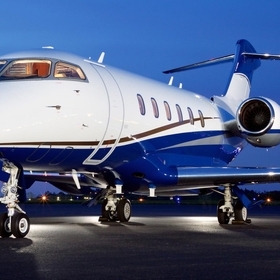
Flying privately changes almost everything travelers associate with air travel. There are no crowded boarding gates, no fight for overhead-bin space, and usually no need to arrive at an enormous terminal hours before departure. Instead, private aviation is designed around convenience, discretion, personalized service, and significantly greater control over the journey.
But greater freedom does not mean there are no rules.
For someone preparing for a first private flight, understanding Private Jet Etiquette can make the experience considerably more comfortable. Even experienced charter passengers benefit from knowing what information should be communicated before departure, how to treat the aircraft and crew, what to expect at a private terminal, and how requests should be handled.
Some etiquette is simply common courtesy. Other practices exist because aviation is highly regulated and every flight must comply with operational and safety requirements.
Knowing the difference is important.
Whether you are booking a Private Jet Charter yourself, traveling as a guest of a business partner, joining friends for a luxury vacation, or flying with colleagues for an executive meeting, this guide explains what to know before you step aboard.
Private Jet Etiquette Begins Before the Flight
The best private aviation experiences are often created long before passengers arrive at the airport.
A charter provider needs accurate information to plan the journey properly. This includes passenger names, travel documents when required, luggage details, catering preferences, pets, special equipment, ground transportation requirements, and other relevant requests.
Providing this information early is good private jet etiquette because it gives the aviation team an opportunity to prepare appropriately.
If you are new to chartering and want to understand the complete process from initial request through departure, our guide to booking a private jet charter provides useful additional information about arranging your journey.
The more accurately the charter team understands your requirements, the more personalized the flight can be.
Do You Need to Arrive Hours Before a Private Jet Flight?
One of the pleasures of Private Aviation is avoiding much of the waiting associated with commercial airports.
Private passengers typically use dedicated facilities or private terminals rather than conventional airline departure halls. This can make the pre-flight process significantly more efficient.
However, this does not mean you should arrive whenever you want.
Your charter team will provide an appropriate arrival time based on the airport, itinerary, destination, security procedures, customs requirements, and other operational considerations.
Arriving at the agreed time helps ensure a smooth departure.
Being excessively early may mean the aircraft or crew is still being prepared. Arriving significantly late can affect the flight plan, airport slots, crew duty time, ground arrangements, or onward connections.
Good etiquette is simple: follow the arrival guidance provided for your specific flight.
Don't Assume the Aircraft Can Always Wait
A common misconception is that because you have chartered the aircraft, departure time no longer matters.
Private aviation certainly provides greater scheduling flexibility than commercial airlines, but an aircraft does not operate outside the realities of aviation.
Airports may have operating hours.
Crew members have regulated duty limitations.
International permits can be time-sensitive.
Some airports require slots.
Weather can change.
Parking availability can be limited.
Your aircraft may also have subsequent operational commitments.
If you know you are going to be late, contact your charter representative as soon as possible.
A modest schedule adjustment may be manageable, but early communication gives the team the best opportunity to accommodate the change.
For travelers whose plans change unexpectedly, our article on How Last-Minute Private Jet Charter Works explores how aircraft availability, scheduling, crew requirements, and operational factors affect short-notice private travel.
Provide Accurate Passenger Information
Private aviation feels personal and informal, but passenger identification requirements remain important.
The charter team needs accurate passenger details before departure.
For international travel, appropriate passports, visas, or other entry documents may be required depending on the passenger, destination, and itinerary.
Never assume that flying privately allows passengers to bypass immigration or customs requirements.
Private aviation can make these processes more convenient at suitable facilities, but it does not eliminate legal entry requirements.
If another guest is joining the flight, tell your charter provider before arriving at the airport.
Adding an unregistered passenger at the last moment may create documentation, weight, customs, immigration, or operational issues.
Can You Bring Additional Guests on a Private Jet?
One of the pleasures of chartering privately is being able to travel with family, friends, colleagues, or invited guests.
However, an aircraft is not like a private car where another person can simply jump in at the last moment.
Every passenger must be accounted for.
Aircraft capacity, passenger manifests, weight calculations, international documentation, catering, and ground arrangements may all be affected by an additional traveler.
If you would like to invite someone else, contact your charter representative first.
In many cases, an additional passenger may be possible if the aircraft and itinerary permit it. The important point is to communicate the change before departure.
Be Clear About Your Luggage
Baggage is one of the most important areas where first-time private flyers sometimes make incorrect assumptions.
A private jet does not necessarily mean unlimited luggage.
Every aircraft has specific baggage-compartment dimensions and weight limitations.
A couple taking a weekend trip with two small suitcases has very different requirements from a family traveling for three weeks with multiple large bags.
Ski equipment, golf clubs, musical instruments, photography equipment, product samples, children's items, and other oversized baggage should always be discussed in advance.
If your luggage requirements are significant, aircraft selection may need to reflect them.
Our Ultimate Guide to Choosing the Perfect Private Jet is a natural next read for understanding how passenger numbers, flight distance, baggage, cabin requirements, and other considerations influence aircraft choice.
Good etiquette is not about packing as little as possible. It is about giving your charter provider accurate information so the right arrangements can be made.
Understand the Difference Between Light, Mid-Size, and Heavy Jets
The private aviation experience can vary significantly depending on aircraft category.
A Light Jet designed for shorter regional journeys will not provide exactly the same cabin environment as a Heavy Jet designed for long-range international travel.
Cabin height, seating, baggage capacity, range, lavatory configuration, catering possibilities, and onboard amenities can differ.
If you are deciding which category fits your journey, read How to Choose the Right Private Jet for Your Trip: Light, Mid-Size, or Heavy Jet?
Understanding your aircraft before departure helps set appropriate expectations.
It also allows you to plan luggage, catering, work requirements, and other aspects of the journey more effectively.
Dress for the Journey, Not for an Imaginary Dress Code
Is there a dress code for flying private?
Usually, the answer is no formal universal dress code.
One of the advantages of private aviation is that passengers can dress according to the purpose of their journey.
Business executives may board in professional attire.
Families traveling to a resort may prefer smart casual clothing.
Guests heading to a yacht may dress for a relaxed summer journey.
The key is to consider the occasion, your host if you are traveling as someone's guest, and the aircraft environment.
If you have been invited aboard someone else's charter, dressing appropriately for the group and purpose of the trip is a thoughtful gesture.
Comfort and consideration are generally better guides than unnecessary formality.
Treat the Aircraft Like a Luxury Private Space
A private jet cabin is designed to be used and enjoyed.
Passengers should feel comfortable.
At the same time, the aircraft is a sophisticated, valuable environment, and treating it respectfully is fundamental etiquette.
Avoid careless behavior that could damage upholstery, tables, carpeting, cabin controls, or other interior features.
Be particularly cautious with food, drinks, cosmetics, sharp objects, and anything that could stain or damage premium cabin materials.
If you are unsure whether something is appropriate, ask the crew.
Follow Crew Instructions
Private aviation is personalized, but safety responsibilities remain non-negotiable.
Pilots and cabin crew are aviation professionals responsible for the safe operation of the flight.
Passengers should follow instructions regarding seat belts, movement around the cabin, baggage, electronic devices, emergency procedures, and other operational matters.
A request from the crew is not a limitation of luxury service—it is part of professional aviation.
The most sophisticated private travel experience is one where service and safety operate together seamlessly.
Don't Distract the Pilots During Critical Operations
Private aviation can feel much more personal than commercial flying, and passengers may occasionally have opportunities to interact with pilots before or after the flight.
That does not mean the flight deck should be treated casually.
Pilots have specific responsibilities during preparation, taxi, takeoff, approach, and landing.
Allow them to concentrate on the operation.
If you have questions about the flight, route, weather, or aircraft, there may be an appropriate opportunity to ask them, but crew responsibilities always take priority.
Respect for professional boundaries is part of good Private Jet Etiquette.
Catering: Ask for What You Want, but Ask in Advance
One of the advantages of Luxury Private Jet Travel is the opportunity to personalize the onboard experience.
Depending on the aircraft, route, and available services, catering can be arranged around passenger preferences.
Breakfast.
Fresh fruit.
Light meals.
Premium dining.
Vegetarian selections.
Children's meals.
Dietary requirements.
Celebration cakes.
Special beverages.
The possibilities vary according to location and aircraft capabilities.
The best etiquette is to communicate important requests before the flight.
Last-minute requests may sometimes be possible, but advance notice gives the charter team more time to source appropriate catering and prepare the cabin.
If you have allergies or strict dietary requirements, communicate them clearly rather than assuming the crew will already know.
Can You Bring Your Own Food?
Policies and practical considerations can vary, so ask your charter provider if you would like to bring particular food onboard.
Certain foods are more suitable for aircraft cabins than others.
Strong odors, difficult-to-handle dishes, or foods that create a high risk of spills may not be ideal in a compact luxury cabin.
For international flights, agricultural and customs restrictions may also affect what can be carried across borders.
When in doubt, discuss your request in advance.
Alcohol Should Be Treated Responsibly
A celebratory drink can be part of the private flying experience, particularly for vacations, anniversaries, weddings, or special events.
But the aircraft remains an operating aviation environment.
Passengers should behave responsibly and comply with crew instructions and applicable rules.
Excessive intoxication can create safety concerns and negatively affect everyone onboard.
Luxury and consideration should go together.
Smoking and Vaping: Never Assume
Never assume that smoking or vaping is permitted simply because the aircraft is privately chartered.
Policies vary, and many aircraft prohibit smoking entirely.
If this matters to you, discuss it before booking.
Do not wait until you are onboard to ask.
The same principle applies to any activity that could affect the cabin environment, aircraft condition, or other passengers.
Using Your Phone and Devices
Private aircraft can offer an excellent environment for working, communicating, watching entertainment, or simply disconnecting.
Available connectivity varies considerably between aircraft.
Some jets offer Wi-Fi and advanced communications systems, while other aircraft—particularly on certain routes or smaller categories—may have more limited connectivity.
If internet access is essential for your trip, tell your charter specialist before confirming the aircraft.
Business travelers should be particularly clear about this requirement.
Always follow crew instructions regarding electronic devices during the flight.
Respect the Privacy of Other Passengers
Privacy is one of the defining benefits of Private Aviation.
That privacy should extend to everyone onboard.
If you are traveling with executives, celebrities, clients, business partners, or other high-profile passengers, avoid sharing information about their itinerary without permission.
This includes photographs, social media posts, airport locations, aircraft registration details, and travel schedules.
Posting a photo that reveals another person's location may seem harmless, but it can create privacy or security concerns.
Ask before photographing or sharing anything involving other passengers.
Social Media Etiquette Matters
Private jets are visually impressive, so it is understandable that passengers may want to take photographs.
But discretion matters.
If you are a guest, ask the host before turning the cabin into a photo session.
Avoid photographing crew members without permission.
Do not interfere with boarding or operational procedures to capture content.
And consider what information your image reveals before publishing it.
A photograph can unintentionally disclose an airport, itinerary, passenger, aircraft registration, or location.
Luxury travel is often at its best when discretion is part of the experience.
What If You're Flying as Someone Else's Guest?
Being invited aboard a private flight is different from chartering the aircraft yourself.
The host's preferences should guide the social atmosphere.
Arrive on time.
Do not invite additional people without asking.
Keep your luggage within what was communicated.
Respect seating arrangements if the host has preferences.
Be considerate with catering.
Do not assume you can change the itinerary.
Avoid posting details of the trip without permission.
You do not need to behave with excessive formality. Simple consideration is enough.
Think of the aircraft as a private environment hosted by the person who invited you.
Traveling with Children on a Private Jet
Private aviation can make family travel significantly more comfortable.
Families can remain together, enjoy greater privacy, and avoid many of the stresses associated with crowded commercial terminals.
However, parents should still plan appropriately.
Tell your charter team that children are traveling and provide accurate ages and any relevant requirements.
If you need particular catering, child-related equipment, or other arrangements, request them in advance.
Children should also be supervised around the aircraft and inside the cabin.
Private aviation provides freedom, but aircraft are still complex operating environments where crew instructions must be followed.
Flying with Pets
One of the most attractive aspects of private aviation for pet owners is the possibility of having an animal travel in the cabin, where permitted.
But pet travel requires advance planning.
Tell your charter provider about the pet before booking.
Provide the animal's type, breed, size, and weight when requested.
International travel can involve vaccination records, health documentation, microchip requirements, import rules, or other procedures depending on the destination.
Operator policies may also vary.
Good etiquette also means protecting the aircraft interior and ensuring your pet does not create avoidable difficulties for crew or other passengers.
Be Considerate When Reclining, Sleeping, or Moving Around
Private cabins offer significantly greater freedom than standard commercial seating, but aircraft size matters.
On smaller jets, cabin space may be more intimate.
Be aware of other passengers when reclining seats, moving around, opening luggage, or using shared tables.
On larger long-range aircraft, passengers may have much more personal space and different cabin zones.
Understanding the aircraft category before departure makes it easier to know what to expect.
Business Etiquette Aboard a Private Jet
Private aviation is particularly valuable for executives because the cabin can function as an extension of the office.
However, good business etiquette remains important.
If colleagues are working, respect the professional environment.
If confidential discussions are taking place, avoid recording or sharing them.
Use headphones when appropriate.
Keep devices and documents organized.
Be considerate when other passengers need rest.
Private aircraft make it possible to combine transportation and productivity, but the most effective onboard environment is one where everyone understands the purpose of the journey.
Don't Expect Every Request to Be Possible
One of the misconceptions surrounding luxury charter is that paying for a private aircraft means anything can be arranged.
Private aviation is highly personalized, but it still operates within legal, safety, aircraft, airport, and operational limitations.
A requested airport may not be suitable for the aircraft.
Weather may require a change.
A specific catering request may not be available at a remote location.
Crew duty limitations may affect a late departure.
A large amount of luggage may require another aircraft.
A pet may require specific documentation.
Understanding this distinction makes the experience better.
The goal of a professional charter provider is not to say yes to everything. It is to find the best possible solution while maintaining appropriate operational and safety standards.
If you are new to the industry and want to understand terms such as FBO, positioning flight, empty leg, range, and aircraft category, our Complete Guide to Private Aviation Terminology provides a useful introduction.
You Don't Need to Tip Automatically
Tipping practices can vary by country, operator, service, and circumstance.
Passengers should not assume that gratuities are universally expected.
If you would like to recognize exceptional service, you can ask your charter representative about the appropriate practice.
A sincere thank-you to the pilots, cabin crew, and service team is always appropriate.
Professional courtesy is more important than trying to follow an imagined private-jet tradition.
Respect Ground Staff and FBO Personnel
The people you meet before boarding are also part of the private aviation experience.
Ground handlers, FBO teams, drivers, baggage staff, dispatchers, and other professionals contribute to the smooth operation of the journey.
Treating everyone with courtesy is fundamental etiquette.
Private aviation may be exclusive, but exclusivity is not an excuse for entitlement.
The best luxury experiences are built on mutual professionalism and respect.
Don't Compare Private Flying Too Closely with Commercial First Class
First class and private aviation are fundamentally different products.
First class upgrades the passenger's experience within a scheduled airline system.
Private charter changes the structure of the journey itself.
The advantages may include customized scheduling, private cabins, access to a broader selection of airports, greater discretion, personalized service, and more flexible itinerary planning.
Understanding this distinction before your first flight helps you appreciate where the real value of private aviation lies.
Your First Private Flight: What Happens from Arrival to Landing?
First-time passengers often feel uncertain simply because they do not know what the process will look like.
In reality, the experience is usually designed to be intuitive.
You arrive according to the instructions provided by your charter team.
Required passenger procedures are completed.
Your baggage is handled according to the arrangements for the flight.
You board the aircraft.
The crew provides any required safety information.
You settle into the cabin and enjoy the journey.
After landing, the objective is typically to make the transition to your onward transportation as efficient as possible.
Once travelers experience the process, many of the uncertainties surrounding a first private flight disappear.
The Most Important Rule of Private Jet Etiquette: Communicate
Almost every etiquette issue discussed in this guide comes back to one principle:
Communicate early.
Bringing extra luggage? Tell your charter team.
Adding a passenger? Tell them.
Traveling with a pet? Tell them.
Need Wi-Fi for an important meeting? Mention it before aircraft selection.
Have a dietary restriction? Provide advance notice.
Running late? Contact the team immediately.
Carrying unusual equipment? Explain exactly what it is.
Want special catering for an anniversary? Request it before departure.
The earlier your aviation team understands your needs, the more effectively the journey can be personalized.
Private aviation delivers its greatest value when the passenger and charter team work together.
Private Jet Etiquette Is Really About Respect
Private jet etiquette can sound like a complicated collection of exclusive rules.
It isn't.
Most of it comes down to respect.
Respect the schedule.
Respect the crew.
Respect the aircraft.
Respect other passengers.
Respect privacy.
Respect operational limitations.
And communicate your requirements clearly.
The luxury of private aviation is that much of the traditional friction of air travel disappears. Good etiquette helps preserve that effortless experience for everyone involved.
Experience Private Aviation with Uniq Private Jets
At Uniq Private Jets, we believe a private flight should feel personal from the moment you begin planning your journey.
Whether you are preparing for your first private flight or already travel regularly by charter, our team can help you choose an aircraft suited to your route, passenger requirements, luggage, schedule, and desired cabin experience.
From efficient regional journeys to international Luxury Private Jet Charter, every itinerary begins with understanding how you want to travel.
If you are uncertain about aircraft selection, baggage, pets, catering, airport options, ground transportation, or any aspect of private jet etiquette, discuss your requirements with our team before departure.
Our goal is to make your experience straightforward, comfortable, discreet, and carefully coordinated.
Contact Uniq Private Jets to Plan Your Next Private Flight
Ready to experience private aviation for yourself?
Contact Uniq Private Jets and tell us where you would like to fly, your preferred dates, passenger count, baggage requirements, and any special requests.
Whether you are traveling for an executive meeting, family vacation, luxury getaway, yacht charter, special event, or international journey, our team can help you explore private aircraft options tailored to your itinerary.
Contact Uniq Private Jets today to request a personalized Private Jet Charter quote and plan your next journey with confidence.
From your first inquiry to your arrival at the destination, our team is ready to help make private travel feel exactly as it should: effortless.
Frequently Asked Questions About Private Jet Etiquette
How early should I arrive for a private jet flight?
Private aviation can require considerably less terminal time than commercial travel, but the appropriate arrival time depends on your airport, destination, and itinerary. Always follow the instructions provided by your charter team.
Is there a dress code on private jets?
There is generally no universal private jet dress code. Dress appropriately for your journey, whether that means business attire, smart casual clothing, or comfortable leisurewear. If you are someone's guest, consider the occasion and host.
Can I bring as much luggage as I want?
No. Every aircraft has baggage weight and dimensional limitations. Tell your charter provider how much luggage you plan to bring, particularly if you have oversized equipment.
Can I bring another passenger at the last minute?
Do not arrive with an additional passenger without notifying the charter team. Passenger manifests, aircraft capacity, weight, documentation, customs, and other requirements may need to be considered.
Can I bring my pet on a private jet?
Many private flights can accommodate pets, depending on operator policies, aircraft, route, and destination regulations. Always disclose the pet before booking and confirm documentation requirements.
Can I request special food?
Depending on the aircraft and location, customized catering may be available. Request special meals, dietary accommodations, or celebration catering as early as possible.
Can I use Wi-Fi onboard?
Some private jets offer Wi-Fi, but availability and capability vary by aircraft and route. If connectivity is essential, make it part of your aircraft-selection requirements.
Is smoking allowed on private jets?
Never assume that it is. Many aircraft prohibit smoking and vaping. Ask your charter provider about the policy before booking.
Should I tip the pilots or cabin crew?
Tipping customs vary. If you want to recognize exceptional service, ask your charter representative about appropriate practices for your particular flight.
What should I do if I'm going to be late?
Contact your charter team immediately. Private aviation provides greater flexibility, but airport restrictions, crew duty limits, slots, weather, and subsequent aircraft commitments can affect how much a departure can be adjusted.
Your first private flight should not feel intimidating.
The experience is designed to remove many of the inconveniences associated with conventional air travel while giving passengers greater privacy, flexibility, comfort, and control.
Understanding Private Jet Etiquette simply helps you take full advantage of those benefits.
Arrive according to the agreed schedule. Provide accurate passenger and baggage information. Communicate special requests early. Treat the aircraft respectfully. Follow crew instructions. Protect the privacy of fellow passengers. And remember that even the most personalized private flight operates within professional aviation requirements.
Do those things, and very little else needs to feel formal.
If you are ready to move from learning about private aviation to experiencing it, contact Uniq Private Jets. Our team can help you select the right aircraft and create a journey tailored to your schedule, destination, and expectations.
CHARTERS